



The U.S. economy is the world’s most powerful engine for wealth creation,
yet too many Americans are left on the sidelines.
How can policymakers reward work, encourage asset ownership, and boost well-being for a broader share of American workers?
On April 30, 2026, the White House issued an executive order to expand access to retirement savings accounts for the 55 million American workers without employer-sponsored plans. EIG applauds this important first step—and urges Congress to build on it with legislation that adds automatic enrollment and expanded matching benefits the executive order cannot provide on its own.
Read EIG’s Q&A on what the executive order does and what comes next.
At a Glance: The Retirement Challenge
Retirement accounts are the largest source of aggregate household wealth in the United States. Yet, millions of hardworking people—and particularly lower-income workers—lack access to the tools and incentives necessary to help them save.
In fact, over 28% of non-retired adults have $0 in retirement savings and half of working-age households risk seeing a decline in their standard of living in retirement.
The U.S. retirement system works well for workers with access to employer-sponsored retirement plans. These workers are disproportionately high-income and able to take advantage of tax incentives that encourage retirement savings. The combination of access to an employer-sponsored plan and generous tax benefits for saving provides a reliable pathway to building wealth and financial security throughout a worker’s career.
The picture is very different for the nearly 55 million hardworking Americans who aren’t offered retirement benefits at their workplace—and especially for those at the bottom of the income distribution. Nearly 9 in 10 workers in the lowest income decile lack access to a retirement plan at work.
Those in greatest need of support are also the least likely to benefit from federal tax incentives for retirement savings. In fact, of the more than $200 billion in income tax expenditures related to retirement savings in 2019, less than 1 percent went to workers in the bottom income quintile.
Overwhelming majorities of Republican and Democratic voters alike agree that all workers should have the ability to participate in a retirement savings plan, according to a 2022 national voter survey.
President Trump’s recent executive order is an important first step, but fully closing the retirement access gap will require congressional action.
The Retirement Savings for Americans Act
Senators John Hickenlooper (D-CO) and Thom Tillis (R-NC) and Representatives Lloyd Smucker (R-PA-11) and Terri Sewell (D-AL-7) are spearheading the Retirement Savings for Americans Act (RSAA), a bill that would provide a path to retirement security for tens of millions of hardworking Americans.
The RSAA would extend key retirement account features found in the highly successful Thrift Savings Plan (TSP) to all workers. These features would include automatic enrollment, mandatory employer participation with payroll deduction contributions for employers that do not offer their own 401(k) or similar plan, low fees, simple investment options, and a matching tax credit for low- and middle-income workers.
The result would be a healthier retirement system, a more financially secure workforce, and a stronger economy that benefits all Americans.

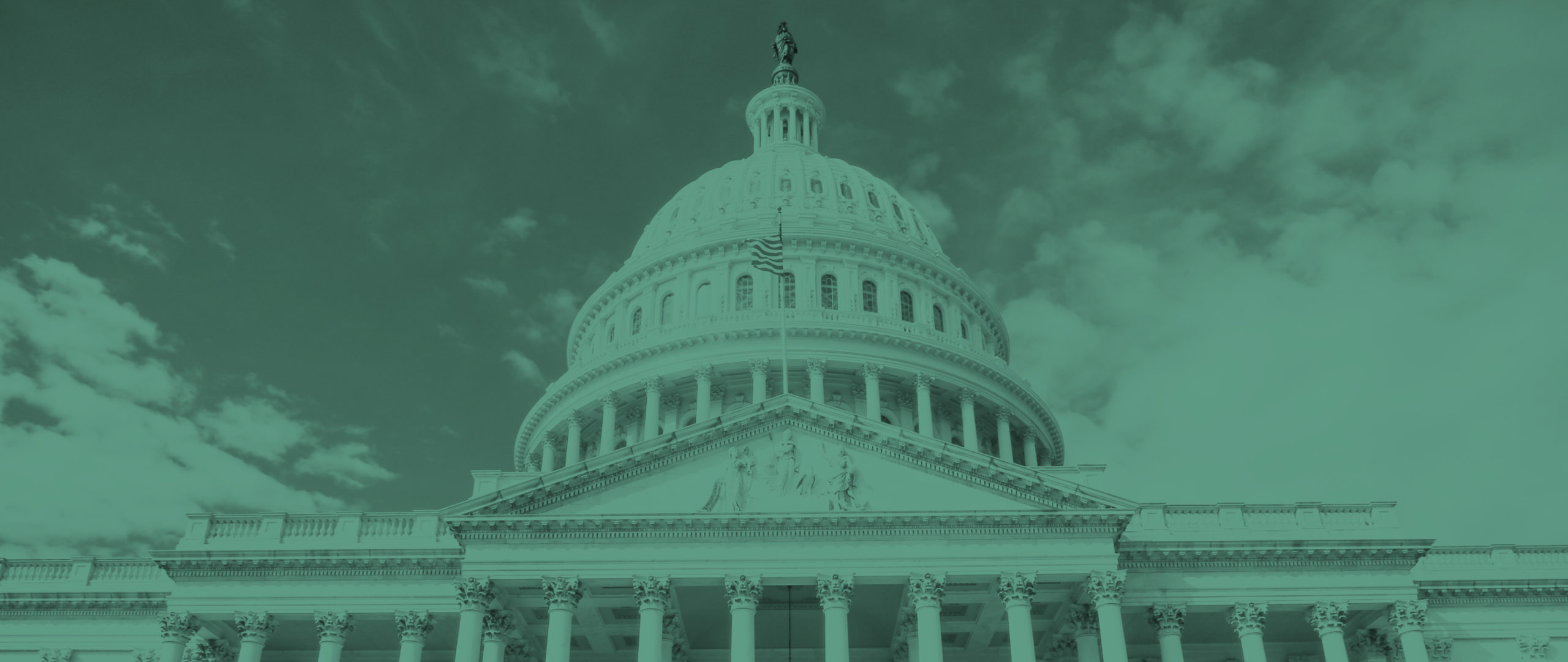

“Lawmakers today are searching for bold ideas to support and empower American workers—and especially low-income workers. The Retirement Savings for Americans Act is just such an idea. This legislation would put millions of American families on the path to financial security and help them build intergenerational wealth.”
Kevin Hassett
Distinguished Visiting Fellow
Hoover Institution, and Former Chair of the White House Council of Economic Advisors
“Too many working Americans are struggling to save and invest to secure their standard of living when they choose to retire or are forced to retire. The Retirement Savings for Americans Act would equip millions of low- and moderate-income workers to build a nest egg for themselves and for future generations, leading to a stronger economy for all Americans in the process.”
Teresa Ghilarducci
Professor
Schwartz Professor of Economics and Policy Analysis, New School for Social Research

“AARP, which advocates for the more than 100 million Americans age 50 and older, writes to express our support for your efforts to extend access to retirement savings to more Americans through the Retirement Savings for Americans Act. Nearly 1 out of 4 Americans has no retirement savings, and more than half of all Americans report they are concerned they will not achieve financial security in retirement. We know that Americans are much more likely to save when they have access to retirement savings options at work. Today nearly half of all private-sector employees do not have access to an employer-sponsored retirement savings program. The Retirement Savings for Americans Act would help more families across the country save for retirement.”
Bill Sweeney
Read AARP’s full statement.
Senior Vice President of Government Affairs
AARP

“Creating this kind of program meets an obligation we all share to help every working American build financial security and well-being in retirement. I also know it will offset future support we surely would have to provide if we don’t help more people begin to build that security today. And in true American spirit, it isn’t a giveaway, but an incentive for working individuals to begin helping themselves and their families.”
Read Mr. Schwab’s full statement.
Charles R. Schwab
Founder
Charles Schwab Corporation
“The Retirement Savings for Americans Act would address significant and longstanding gaps in the U.S. retirement system that have severely limited participation from low- and moderate-income workers. If enacted, this legislation would result in a healthier retirement system, a more financially secure workforce, and a stronger economy to the benefit of all Americans. EIG is proud to have worked closely with Senators Hickenlooper and Tillis and Representatives Smucker and Sewell on this important legislation, and we applaud them for their bipartisan leadership on behalf of workers nationwide.”
John Lettieri
President & CEO
Economic Innovation Group

“Achieving financial security in the short and long-term has never been more important for individuals and families. Therefore, small business owners and their employees welcome innovative initiatives and policy ideas that build upon the efficacy of existing models and administrative infrastructure to increase options and participation. SBE Council appreciates the bipartisan work and efforts behind the Retirement Savings for Americans Act, which provides a unique framework for bolstering the participation of workers who do not have employer sponsored retirement accounts. Moreover, the opportunity for independent contractors to participate in these plans is an appealing feature, as the legislation protects their independent status, which is highly valued by this critical self-employed sector. As the legislation moves forward, SBE Council looks forward to working with the sponsors and other members of Congress to bring additional feedback from entrepreneurs and small business owners about various aspects of the bill to help many more individuals and families attain financial security.”
Karen Kerrigan
President & CEO
Small Business & Entrepreneurship Council

“After a long career, we all dream of the option to retire—to spend time with friends and family, volunteer in our community or learn a new hobby. Yet, for many small business owners, the cost of being able to provide retirement plans and other benefits to their employees is prohibitively high and most say they only expect it to climb higher. It is time to explore innovative policy solutions—like the bipartisan Retirement Savings for Americans Act—to this persistent challenge that makes it difficult for small businesses to compete with large corporations and keeps many of their employees from being able to save for a well-deserved retirement.”
Katelyn Gibert
Policy Director
Goldman Sachs 10,000 Small Businesses Voices

“With more Americans choosing new ways to work than ever before, we’re proud to support this bipartisan effort to enable more workers in the modern economy to access the kinds of benefits that have long been out of reach for all but full-time employees. This is an important step toward empowering workers like Dashers to choose the independence and flexibility that dashing gives them, while still having access to important benefits. The Retirement Savings for Americans Act makes meaningful progress toward expanding access for retirement savings across the country–regardless of how someone chooses to work. We applaud Senators Hickenlooper and Tillis and Representatives Sewell and Smucker for working across the aisle to address such an important issue for Dashers and other Americans who are choosing new and different ways to work.”
Max Rettig
Vice President, Public Policy
Doordash

“The Retirement Savings for Americans Act would provide millions of workers with an easy-to-use, flexible and portable gateway to enhancing their retirement security. If enacted, we believe the legislation would help level the playing field for small businesses, including local franchises, that are unable to offer the same retirement plans as large competitors. IFA and its members thank Sen. Hickenlooper, Sen. Tillis, Rep. Smucker and Rep. Sewell for their continued leadership on this critical issue.”
Michael Layman
Senior Vice President
Government Relations & Public Affairs, International Franchise Association

“We thank Senators Hickenlooper and Tillis and Representatives Smucker and Sewell for continuing to work together to elevate the conversation of retirement savings, yet again proving this is and must be a bipartisan issue.”
Michele Stockwell
President
BPC Action

“Uber supports innovative efforts such as the Retirement Savings for Americans Act to enhance independent work across the nation. The legislation represents a unique, forward-looking approach to addressing gaps in the existing retirement savings framework. We applaud the Congressional sponsors and look forward to our continued engagement as this bill moves forward.”
CR Wooters
Head of Federal Affairs
Uber

“Too many Americans today endeavor under a retirement framework that fails to accommodate the diverse types of work available in our 21st century economy. Portable benefits, like those envisioned by Flex’s principles for app-based workers, are a key part of the solution. This bill would represent a significant step toward providing millions with portable benefits that are tied not to a particular company but to the work that so many Americans do every day. We thank Senators Hickenlooper and Tillis and Representatives Sewell and Smucker for their bipartisan leadership on this issue that is crucial to the future of work.”
Kristin Sharp
CEO
Flex Association

“SHRM’s 2023 Employee Benefits Study confirms that building retirement readiness in the workforce is of critical importance to the HR profession. These benefits are consistently ranked high by employees and employers, and organizations greatly value having retirement plans available for workers. Unfortunately, too many American workers reach retirement age with inadequate savings. We salute Senator Hickenlooper and Senator Tillis and Representative Smucker and Representative Sewell for their dedication to finding a way to resolve this issue, particularly for workers below median income. This is a great first step in what we know will be a longer process and discussion, but SHRM stands ready to assist the Congress as it continues a longstanding conversation on coverage among policymakers and the employer community. At SHRM we prioritize policy not politics, and we see this effort as an example of bipartisan, bicameral cooperation that can serve as a new model of productivity and civility in the Congress.”
Johnny C. Taylor
President and CEO
SHRM

“We are proud to support this important legislation that would help provide workers at small business hotels, and all across the economy, easy access to better retirement security. This innovative approach helps support both small businesses as well as their workers by ensuring that, irrespective of the size of the employer, workers have access to a retirement savings program. AHLA thanks Senators Hickenlooper and Tillis and Representatives Smucker and Sewell for their leadership and support for small businesses and workers.”
Chirag Shah
Executive Vice President, Federal and Political Affairs & Counsel
American Hotel and Lodging Association

“Every single day, half of the private sector workforce shows up at a job and does not earn anything for retirement beyond Social Security. As a result, millions of older Americans face challenges with financial security as they age. That’s unacceptable. There needs to be a serious and significant commitment from policymakers to help American workers generate private retirement savings, separate from and in addition to Social Security. That’s why we applaud Senators John Hickenlooper and Thom Tillis and Representatives Lloyd Smucker and Terri Sewell for their leadership on the Retirement Savings for Americans Act. Under their important bill, full- and part-time workers who lack access to an employer-sponsored retirement plan would be eligible for a private retirement account. A federal contribution would be available for low- and moderate-income workers, and the accounts would remain attached to workers throughout their lifetime. This legislation has a similar vision to an approach we have championed since 2014—every worker needs access to a private retirement plan, automatic contributions to those plans, and simple, low-fee investment options similar to the Thrift Savings Plan for federal employees. We hope policymakers take notice, as ensuring everyone has a dignified retirement is one of the central challenges of this era. We call on Congress to prioritize retirement security and tackle the issue in a comprehensive and fiscally responsible way.”
Gabe Horwitz
Senior Vice President for the Economic Program
Third Way

“[The Retirement Savings for Americans Act] is a lifeline for the millions of workers who deserve a secure future after years of hard work. It’s a promise to our senior citizens that they will be able to enjoy the fruits of their labor. It’s an affirmation to Americans everywhere that this nation is for them and that success here is possible.”
Bakari Sellers
Political Analyst
CNN
Read his full op-ed in RealClearPolicy

“By bringing tens of millions of left-behind workers into the retirement savings system, the RSAA would spark a boom in wealth for American families unlike anything in recent memory. Those excluded from the system today would have a direct stake in the success of the U.S. economy. After only a single generation of savings and compounding, the results would be transformative.”
Former Sen. Cory Gardner (R-CO)
Read his full op-ed in The Washington Examiner.

“The time for [the Retirement Savings for Americans Act] is now. President-elect Trump, his incoming administration and our legislators must work together to protect the working class and the American Dream — which includes a stable, prosperous and well-deserved retirement.”
Jonathan Felts
Republican Political Consultant
The Indie Group
Read his full op-ed in The North State Journal.


“The RSAA strengthens the very foundation of the American dream: work hard, save, and enjoy a peaceful retirement. It ensures families can pass down wealth, creating financial stability for future generations. Supporting this bill means supporting a future where all North Carolinians — and all Americans — can retire with dignity and peace of mind. I hope Congress and President-elect Trump will act immediately after being sworn in to pass the Retirement Savings for Americans Act and set our people on a path toward financial freedom and prosperity.”
Chase Gaines
Special Projects Director
NC Chamber
Read his full op-ed in The Carolina Journal.
“[The RSAA] exemplifies the type of cross-party collaboration that voters increasingly demand. In an era of political polarization, Americans are hungry for pragmatic solutions that transcend partisan gridlock. Championing RSAA will provide Democrats with a tangible, bipartisan policy achievement to present to voters.”
Adrienne Elrod
Democratic political analyst
Read her full op-ed in Salon.

Stay Informed




The Inclusive Wealth Building Initiative is a project of the Economic Innovation Group.
The Economic Innovation Group (EIG) is an ideas laboratory and advocacy organization whose mission is to advance solutions that empower entrepreneurs and investors to forge a more dynamic American economy.
© 2023 | All Rights Reserved